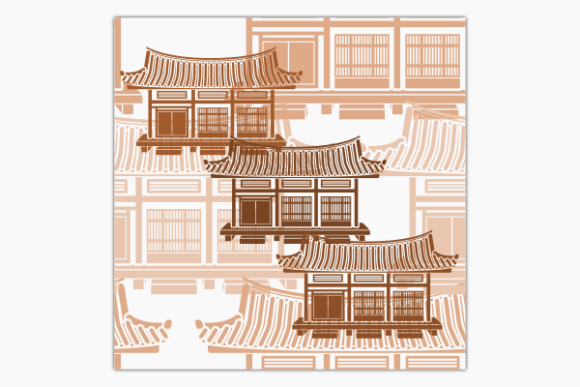
Wide Traditional Korean House Pattern for Creative Projects
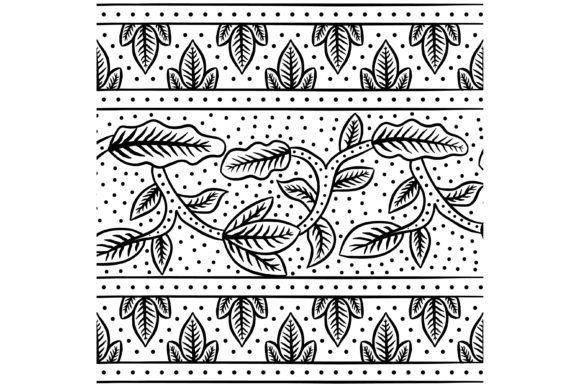
The Wide Traditional Korean House Pattern is a versatile and visually striking design that captures the essence of traditional Korean architecture. This seamless pattern features an editable SVG vector of a front view of a wide, flat, monochrome-style traditional hanok house. It's ideal for use in various creative applications, from fabric designs to invitations, merchandise, and decorative elements that reflect oriental history and culture.
Understanding the Wide Traditional Korean House Pattern
The Wide Traditional Korean House Pattern is inspired by the architectural style of the hanok, a traditional Korean house known for its harmony with nature and unique structural elements. The design showcases a simplified, flat representation of a hanok, emphasizing clean lines and symmetry. This makes it an excellent choice for those looking to incorporate cultural motifs into their work without overwhelming the overall aesthetic.
One of the key characteristics of this pattern is its scalability. Whether you're designing a small card or a large banner, the Wide Traditional Korean House Pattern can be easily adjusted to fit your needs. Its monochrome style allows for flexibility in color application, making it suitable for both minimalist and vibrant designs.
Features and Characteristics
- Seamless Design: The pattern is created to repeat seamlessly, allowing for continuous use across surfaces without visible edges.
- Editable SVG Vector: The design is available as an editable SVG file, which means you can customize it using software like Inkscape. This level of control is invaluable for designers who want to tailor the pattern to their specific project requirements.
- Monochrome Style: The absence of color makes the pattern adaptable to a wide range of color schemes, ensuring it blends well with different design palettes.
- Cultural Authenticity: By incorporating elements of traditional Korean architecture, the pattern serves as a respectful and meaningful representation of cultural heritage.
Applications and Use Cases
The Wide Traditional Korean House Pattern is not limited to a single use case. Its versatility makes it suitable for a variety of creative projects. Here are some common applications:
- Fabric Designs: Use the pattern on textiles such as clothing, curtains, and home decor items to add a touch of traditional Korean flair.
- Invitations and Stationery: Incorporate the pattern into wedding invitations, greeting cards, and business cards for a unique and elegant look.
- Merchandise: Apply the design to t-shirts, mugs, and other promotional items to create culturally inspired products.
- Decorative Elements: Utilize the pattern as a background or border in digital or print media to enhance the visual appeal of your work.
Professionals in the fields of graphic design, interior design, and fashion can benefit from using this pattern to add a cultural dimension to their projects. Additionally, business owners looking to create unique branding materials may find the Wide Traditional Korean House Pattern to be a valuable asset.
Benefits and Considerations
There are several advantages to using the Wide Traditional Korean House Pattern. Its seamless design ensures that it can be used across large areas without any visible repetition. The availability of an editable SVG file gives users the freedom to modify the pattern according to their specific needs. Furthermore, the monochrome style allows for easy integration into various design contexts.
However, there are also considerations to keep in mind. For instance, while the pattern is highly adaptable, it may not be suitable for projects that require a more detailed or intricate representation of traditional Korean architecture. Additionally, users should ensure they have the necessary software, such as Inkscape, to edit the SVG files effectively.
Real-World Examples
Many designers have successfully incorporated the Wide Traditional Korean House Pattern into their work. For example, a fashion designer might use the pattern on a line of traditional-inspired clothing, while a graphic designer could apply it to a set of wedding invitations. In each case, the pattern adds a unique cultural element that enhances the overall design.
Another practical example is the use of the pattern in interior design. A designer might use it as a wallpaper motif in a space that aims to evoke a sense of tradition and elegance. Similarly, a business owner could use the pattern on a logo or marketing material to create a distinctive brand identity.
Evaluating Suitability
Before using the Wide Traditional Korean House Pattern, it's important to assess whether it aligns with your project's goals. Consider the following factors:
- Project Scope: Determine if the pattern's scale and style are appropriate for your intended use.
- Design Requirements: Evaluate whether the monochrome style and seamless nature of the pattern meet your design needs.
- Technical Capabilities: Ensure you have access to the necessary tools, such as Inkscape, to edit the SVG files effectively.
- Cultural Sensitivity: Reflect on how the pattern represents traditional Korean architecture and whether it aligns with your values and intentions.
By carefully considering these factors, you can make an informed decision about whether the Wide Traditional Korean House Pattern is the right choice for your project.
Conclusion
The Wide Traditional Korean House Pattern offers a unique and versatile way to incorporate elements of traditional Korean architecture into your creative work. With its seamless design, editable SVG format, and monochrome style, it provides a flexible foundation for a wide range of applications. Whether you're a designer, artist, or business owner, this pattern can help you create visually appealing and culturally meaningful projects. By understanding its features, benefits, and potential uses, you can make the most of this valuable resource in your creative endeavors.