Vintage Design Element Vector: A Strategic Asset for Creative and Business Applications
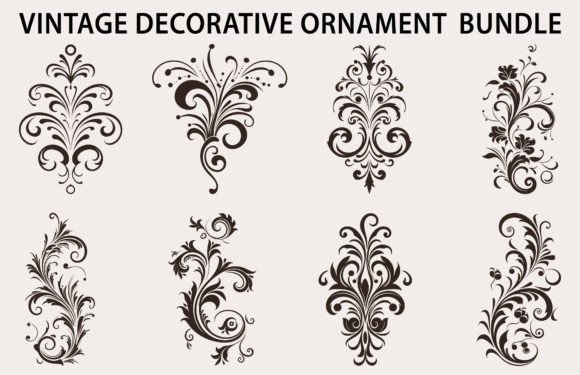
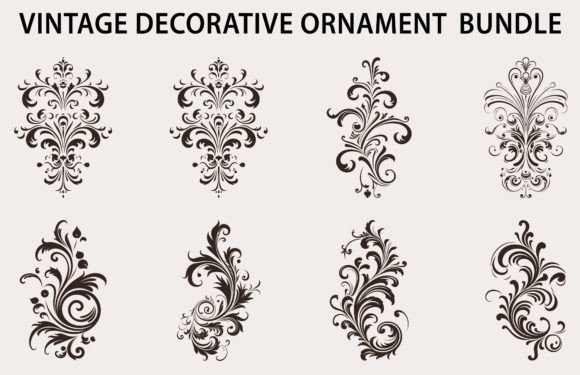
The Set of Vintage Design Element Vector offers a versatile collection of digital assets that can enhance a wide range of creative and professional projects. From invitations to printed materials, this bundle provides a cohesive set of design elements that can elevate the visual appeal of any output. With 8 EPS, SVG, JPG, and PNG files in each format, the flexibility of these vectors makes them suitable for both digital and physical applications.
Understanding the Value of Vintage Design Elements
Vintage design elements bring a sense of nostalgia and timeless elegance to modern projects. These assets are not just decorative; they serve as strategic tools for branding, marketing, and content creation. The Set of Vintage Design Element Vector includes calligraphic and ornamental designs that can be used to add character and sophistication to various outputs.
For professionals and creators, these elements offer a way to differentiate their work in a competitive market. By incorporating vintage aesthetics, designers can create unique visual identities that resonate with specific audiences. This is particularly valuable in industries where storytelling and emotional connection play a key role, such as fashion, publishing, and event planning.
Strategic Use of Vintage Design Elements in Business
Businesses can leverage the Set of Vintage Design Element Vector to enhance their brand presence and customer engagement. When used thoughtfully, these elements can help establish a consistent visual language across marketing materials, packaging, and digital platforms. This consistency reinforces brand recognition and builds trust with consumers.
For example, a small business owner looking to launch a new line of handmade products might use vintage design elements to create a cohesive look for their website, social media, and product packaging. This approach not only enhances the aesthetic appeal but also communicates a sense of craftsmanship and authenticity.
In educational settings, teachers and educators can use these elements to create visually engaging learning materials. Whether designing worksheets, presentations, or classroom decorations, the vintage style can make content more appealing and memorable for students.
When to Use Vintage Design Elements
The timing and context of using the Set of Vintage Design Element Vector are crucial. These elements are most effective when aligned with the goals of the project. For instance, if a business is targeting a niche audience that values tradition and heritage, incorporating vintage design elements can resonate well with that demographic.
However, it’s important to consider the overall tone and message of the project. Vintage elements may not be appropriate for all contexts. In a high-tech or minimalist environment, they could appear out of place. Therefore, careful consideration of the target audience and the intended message is essential.
Additionally, the use of these elements should be balanced. Overuse can lead to visual clutter and dilute the impact of the design. It’s advisable to use them strategically, focusing on key areas where they can make the most significant difference.
Planning and Implementation Tips
To maximize the benefits of the Set of Vintage Design Element Vector, it’s important to plan the implementation process carefully. Start by defining the objectives of the project. Are you looking to enhance the visual appeal of a product? Improve brand identity? Or create a unique experience for customers?
Once the objectives are clear, identify the specific elements from the bundle that best align with those goals. For example, if the goal is to create a series of wedding invitations, focus on the ornamental and calligraphic elements that complement the theme of the event.
It’s also beneficial to experiment with different combinations of elements. Testing various layouts and styles can help determine which combinations yield the best results. This iterative approach allows for refinement and ensures that the final output meets the desired standards.
Considerations Before Relying on Vintage Design Elements
Before fully integrating the Set of Vintage Design Element Vector into a project, it’s important to assess its relevance and effectiveness. Consider the following factors:
- Relevance to the Audience: Ensure that the vintage style resonates with the target audience. Conduct research or gather feedback to understand how the design elements are perceived.
- Brand Alignment: Check that the elements align with the overall brand identity. They should complement existing visual elements rather than clash with them.
- Technical Compatibility: Verify that the file formats (EPS, SVG, JPG, PNG) are compatible with the tools and platforms being used. This ensures smooth integration and avoids technical issues.
- Legal and Licensing Terms: Review the licensing agreement to ensure that the use of the elements complies with the terms. This is especially important for commercial projects.
Risks of Using Vintage Design Elements Without Clear Goals
While the Set of Vintage Design Element Vector offers numerous benefits, using it without a clear purpose can lead to ineffective outcomes. Randomly applying vintage elements without considering their impact can result in a disjointed design that fails to communicate the intended message.
One common risk is over-reliance on the elements without understanding their limitations. For instance, using too many vintage-style graphics can overwhelm the viewer and detract from the main content. This can reduce the effectiveness of the design and diminish the overall user experience.
Another risk is failing to adapt the elements to the specific needs of the project. What works for one application may not be suitable for another. It’s essential to tailor the use of these elements to fit the context and requirements of the project.
Intentional Use of Vintage Design Elements
To use the Set of Vintage Design Element Vector intentionally, start by defining a clear vision for the project. Ask questions such as: What message do I want to convey? Who is my target audience? How can these elements enhance the overall design?
By answering these questions, you can develop a strategy that guides the selection and application of the elements. This approach ensures that each element serves a purpose and contributes to the overall success of the project.
Additionally, consider the long-term value of the elements. How will they support future projects or initiatives? By investing in a well-curated set of vintage design elements, you can build a library of assets that can be reused and adapted over time, saving time and resources in the process.
Conclusion: Leveraging Vintage Design for Strategic Success
The Set of Vintage Design Element Vector is more than just a collection of digital assets—it’s a strategic tool that can enhance creativity, communication, and business outcomes. When used thoughtfully, these elements can add depth, character, and authenticity to a wide range of projects.
By understanding the value of vintage design elements, planning their implementation, and using them intentionally, professionals and creators can unlock new opportunities for growth and innovation. Whether you’re a small business owner, educator, or designer, the strategic use of these elements can help you achieve better results and stand out in a competitive landscape.